





Ipe vs PVC Decking
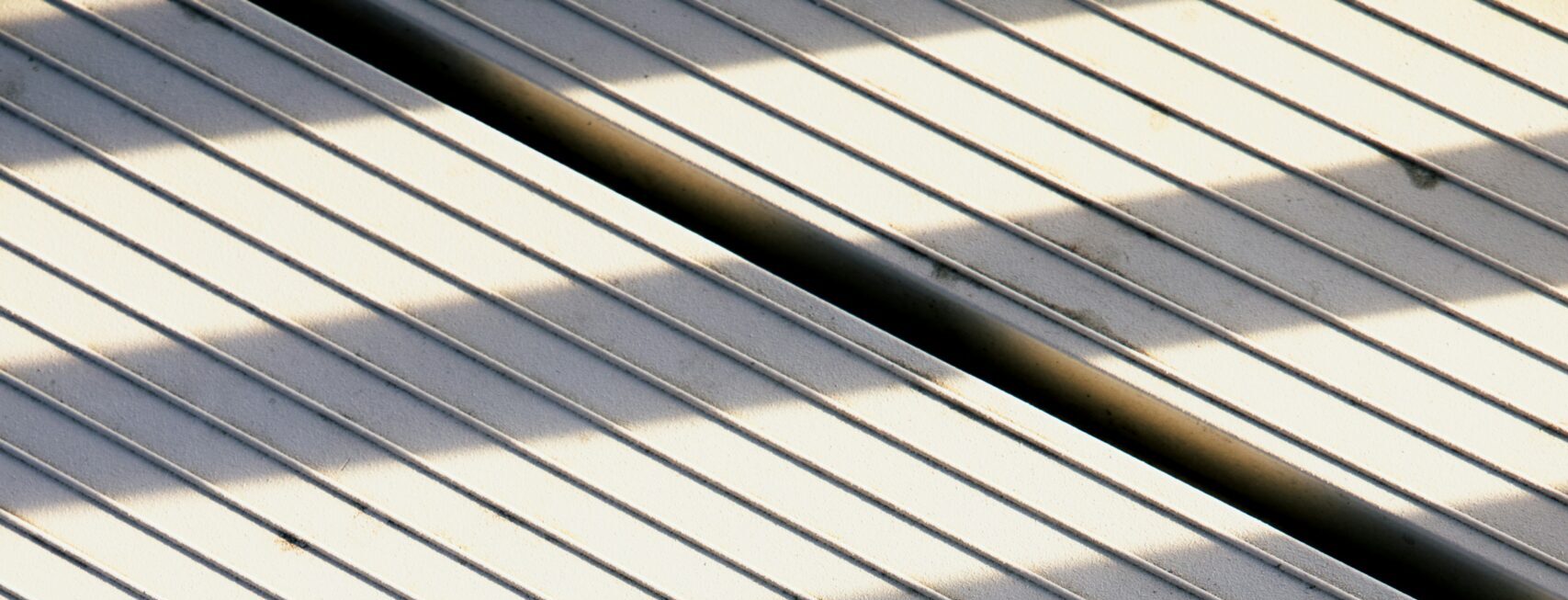
Ipe decking is a natural hardwood that significantly outperforms PVC decking in strength, lifespan, and structural integrity. PVC decking offers lower upfront cost and zero natural variation, but it lacks the durability and long-term stability of Ipe in demanding outdoor environments.
For long-term installations, especially in commercial or high-end residential projects, Ipe is the superior material due to its extreme density, weather resistance, and lifespan that can exceed 50 years.
Quick Comparison
| Category | Ipe | PVC Decking |
|---|---|---|
| Lifespan | 40–75+ years | 20–30 years |
| Strength | Extremely high (natural hardwood) | Moderate (plastic-based) |
| Appearance | Natural grain, premium aesthetic | Uniform synthetic finish |
| Maintenance | Low (optional oiling) | Low |
| Heat Resistance | Moderate (natural wood) | Poor (can overheat in sun) |
| Cost | High upfront, low lifecycle cost | Lower upfront, higher replacement risk |
Deep Dive: Material Performance Differences
Ipe is a dense tropical hardwood known for extreme hardness, natural oils, and resistance to environmental degradation. Its structure provides inherent protection against rot, insects, and moisture, making it one of the longest-lasting decking materials available.
PVC decking, by contrast, is a fully synthetic material designed to eliminate maintenance requirements. While it performs adequately in controlled residential environments, it lacks the structural strength and load-bearing capacity required for high-performance or commercial installations.
Structural Strength
Ipe’s Janka hardness rating (~3,680 lbf) places it among the hardest commercially available woods in the world. This allows it to withstand heavy foot traffic, furniture loads, and environmental stress without deformation.
PVC decking does not offer comparable structural strength. It relies on underlying framing systems and can flex or deform under sustained load or extreme temperature shifts.
Thermal Behavior
PVC decking absorbs and retains heat significantly more than natural hardwoods. In direct sunlight, surface temperatures can become uncomfortable or unusable without shade mitigation.
Ipe, while still affected by temperature, distributes heat more evenly and remains more stable under varying environmental conditions.
Weather Resistance
Ipe naturally resists moisture penetration due to its dense grain and oil content. It performs well in coastal, humid, and freeze-thaw environments.
PVC is moisture-resistant but can expand, contract, and become brittle over time due to UV exposure and thermal cycling.
Installation Considerations
- Ipe requires pre-drilling due to density
- Stainless steel fasteners recommended for longevity
- Proper ventilation required beneath decking systems
- PVC uses hidden clip systems but requires precise spacing for expansion
Maintenance Comparison
Ipe requires minimal maintenance over its lifecycle. It can be left untreated to weather naturally or periodically oiled for color retention.
PVC requires regular cleaning to remove surface stains, dirt buildup, and mold growth. While marketed as “maintenance-free,” long-term appearance degradation is common in high-exposure environments.
Ipe vs PVC: Real-World Application Differences
In real-world installations, the performance gap becomes more visible over time. Ipe maintains structural integrity for decades, making it ideal for high-traffic and commercial applications such as boardwalks, rooftops, and public spaces.
PVC decking is primarily used in residential applications where upfront cost and uniform appearance are prioritized over long-term durability.
Best Use Cases
Ipe is best for:
- Commercial decking and infrastructure
- Luxury residential projects
- High-traffic outdoor spaces
- Long-term investment builds
PVC is best for:
- Budget-conscious residential projects
- Low-load decorative decks
- Homeowners prioritizing uniform appearance
Lifecycle Cost Analysis
While PVC decking has a lower initial purchase cost, its shorter lifespan and potential for earlier replacement increase total lifecycle cost. Ipe, although more expensive upfront, often proves more cost-effective over a 30–50 year horizon due to reduced replacement and repair needs.
This is a key factor in commercial specifications where long-term capital efficiency is prioritized over short-term savings.
Get Pricing & Material Options
ABS Wood supplies premium Ipe decking nationwide for residential, commercial, and architectural applications. Bulk pricing and project support available.