





Is Ipe Wood Worth the Cost for Decking – The Last Deck You’ll Ever Build?
If you’re thinking about building a new deck or upgrading your outdoor space, you’ve probably wondered, “Is Ipe wood really worth it?” Decking is a significant investment, and it’s only natural to want a material that looks great, lasts for decades, and minimizes headaches with maintenance or repairs. For homeowners in regions with challenging outdoor conditions—Florida, Texas, California, Georgia, or the Northeast—this question becomes even more important. The Ipe hardwood is the same hardwood used on bridges and docks — now in your backyard.
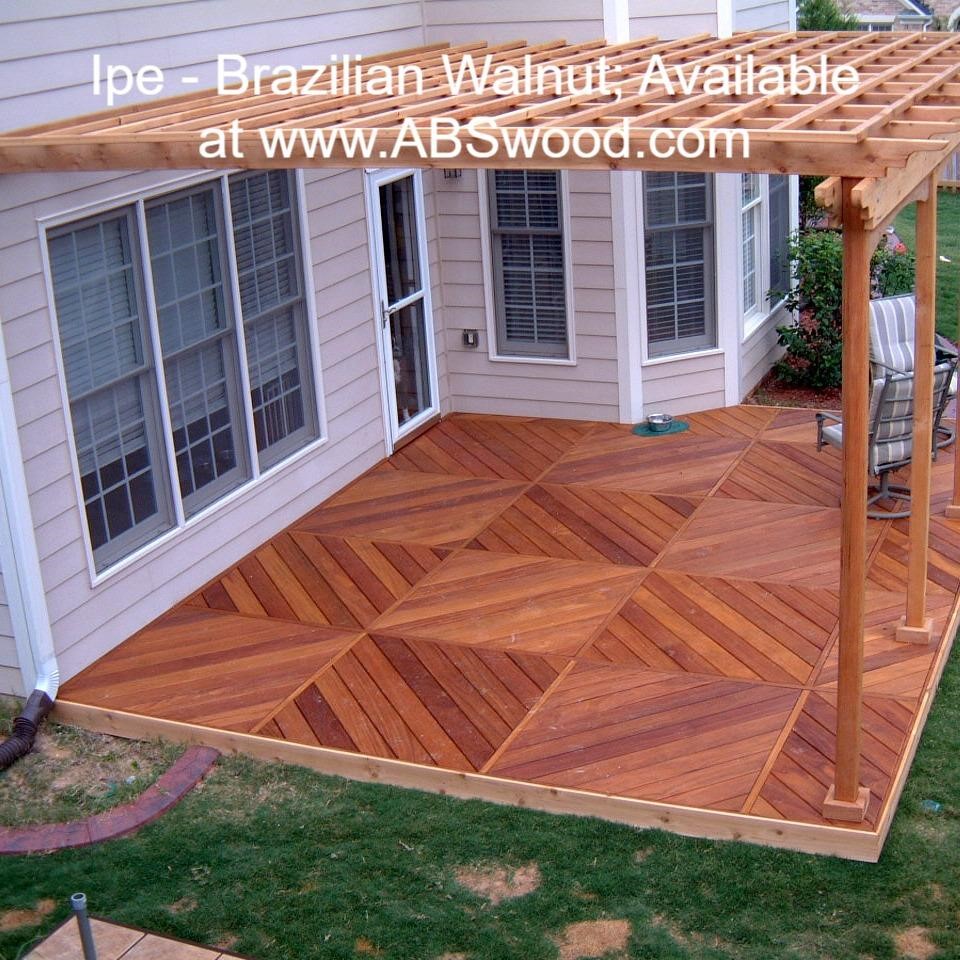
Ipe, pronounced “ee-pay,” is a dense tropical hardwood sometimes referred to as Brazilian walnut. Its popularity for high-end decks and boardwalks comes from its incredible strength and natural resistance to decay, insects, and extreme weather. Unlike many other woods, Ipe can withstand years of sun, rain, humidity, and cold while maintaining its integrity. For homeowners who value quality and longevity, Ipe offers a level of durability that few other decking options can match. You feel the difference the first time you walk on it.
When considering whether Ipe is worth the cost, it’s helpful to look beyond the initial price. A complete evaluation should include upfront cost, ongoing maintenance, lifespan, and the value it adds to both your outdoor experience and your home. The upfront expense of Ipe is significant. In the U.S., high-quality Ipe can cost as much as $18 per square foot, making it more expensive than pressure-treated wood, some softwoods, and even certain composite materials. But the higher initial cost brings the potential for extraordinary longevity. Properly installed and maintained, an Ipe deck can last 50 years or more. For those who see their deck as a long-term investment, this longevity can make the higher price far more palatable.
One of Ipe’s most appealing features is its strength. It resists rot, insects, cracking, and heavy wear better than most woods, meaning fewer repairs and less worry over time. That said, “low maintenance” does not mean “no maintenance.” Because Ipe is extremely dense, it can be heavier and trickier to install than other materials. Homeowners who want to preserve its original rich brown color will need to oil it periodically or accept the natural weathering to a silvery-gray tone. Even though Ipe outperforms many woods, advanced composite materials may offer lower long-term upkeep, and environmental exposure—moisture, UV light, and extreme temperatures—can still gradually affect its appearance and performance. Understanding these realities ensures that your expectations align with the material’s characteristics.
Your location and how you intend to use your deck are key factors in deciding if Ipe is the right choice. In hot, humid climates or areas with heavy sun, rainfall, or salt air, Ipe’s natural resistance provides a real advantage. If your deck will host frequent gatherings, heavy furniture, or children and pets, its durability becomes even more valuable. On the other hand, if your usage is light or your budget is limited, alternative woods or high-quality composites might provide a better balance of cost and performance.
Ultimately, whether Ipe is worth the cost depends on your priorities. It shines when used as a long-term investment, when aesthetics matter, and when durability is essential. It may be less compelling if you are focused primarily on minimizing upfront costs, plan to replace your deck within a decade, or prioritize extremely low maintenance over the natural beauty and longevity of real wood. Experts note that while Ipe is initially expensive, its durability and relatively low maintenance over the years can make it cost-effective. Conversely, some argue that high maintenance needs and environmental considerations could reduce its overall value compared to other options. The key is to match the material to your usage patterns, climate, and expectations.
If you decide that Ipe is right for your deck, there are a few ways to maximize your investment. Sourcing Ipe from responsibly managed forests ensures sustainability and quality. Hiring skilled installers is critical because the wood’s density makes it challenging to work with. Planning for maintenance—whether you choose to maintain its deep brown color or let it weather naturally—helps preserve its appearance over time. Finally, designing your deck for its intended use, whether heavy furniture, high foot traffic, or outdoor living, ensures that your investment performs as expected.
So, is Ipe wood worth the cost? For homeowners who want a premium, long-lasting deck that can handle demanding conditions and frequent use, the answer is often yes. If your priority is minimizing costs or you anticipate replacing your deck within a decade, less expensive alternatives might make more sense. At ABSWood, our goal is to help homeowners make smart, informed decisions. If you’re ready to invest in a beautiful, durable deck that will serve your family for decades, Ipe is worth serious consideration. At ABSWood, we provide Premium Brazilian hardwood sourced direct and built to outlast conventional decking. You’re not buying boards — you’re buying guidance from hardwood specialists.
