





Best Decking Materials Compared | Ipe vs Composite vs PVC vs Teak (2026 Guide)
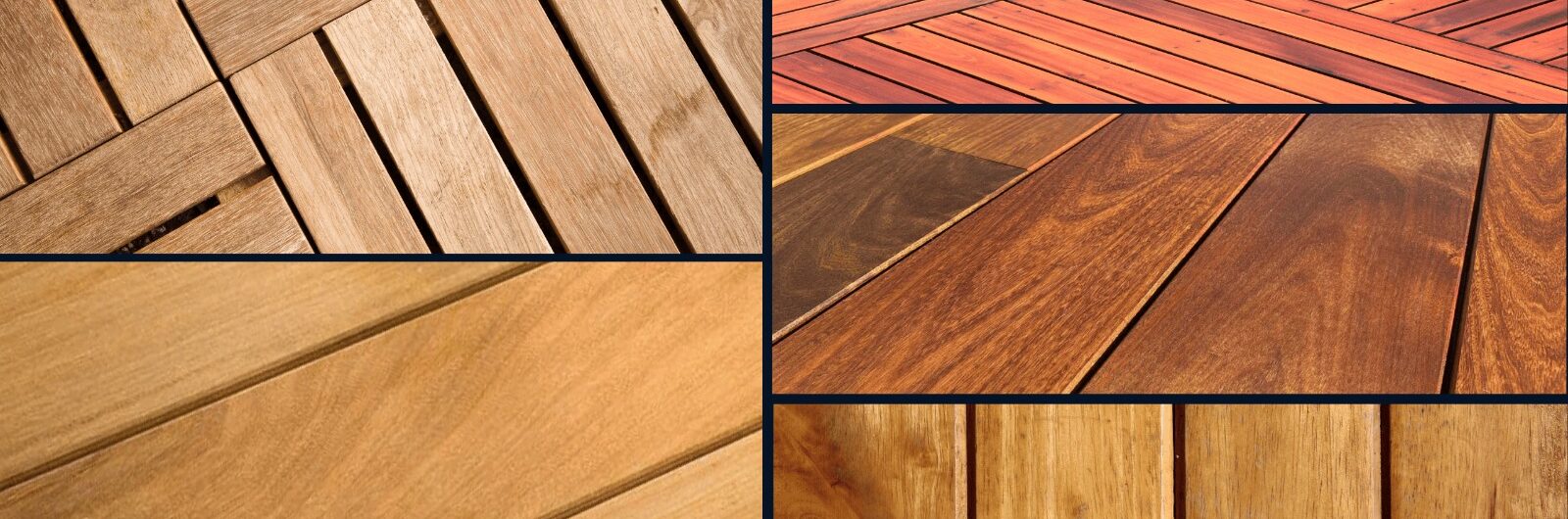
Choosing the best decking material is one of the most important decisions in any outdoor construction project. The right choice impacts durability, maintenance, cost, and long-term performance—especially in demanding climates like coastal regions, high humidity zones, and full-sun environments.
This guide compares the four most commonly used decking materials: Ipe hardwood, composite decking, PVC decking, and teak, based on real-world performance—not marketing claims.
ABS Wood specializes in premium tropical hardwoods like Ipe, widely considered the highest-performing natural decking material available.
Quick Comparison Overview
| Material | Durability | Maintenance | Cost | Best Use |
|---|---|---|---|---|
| Ipe | Excellent (25–40+ years) | Low | High | Luxury outdoor, coastal, high-end builds |
| Composite | Good (10–25 years) | Low | Medium | Residential decks, budget-conscious projects |
| PVC | Good (15–30 years) | Very Low | Medium–High | Wet environments, low-maintenance builds |
| Teak | Excellent (20–40 years) | Low | Very High | Marine, yacht, luxury specialty builds |
Ipe Hardwood Decking (The Performance Benchmark)
Ipe is widely considered the strongest and most durable natural decking material available.
- Extreme density (naturally resistant to rot and insects)
- 25–40+ year outdoor lifespan
- Excellent performance in salt air and humidity
- Minimal maintenance requirements
- Rich, premium natural appearance
Best for: coastal homes, luxury decks, docks, marinas, high-end residential and commercial projects
Explore Ipe Decking from ABS Wood
Composite Decking (Wood-Plastic Blend)
Composite decking is a manufactured blend of wood fibers and plastic designed to reduce maintenance compared to natural wood.
- Moderate durability
- Low maintenance (no staining required)
- Can fade or stain over time
- Less structural strength than hardwoods
Best for: suburban residential decks, cost-sensitive projects
PVC Decking (Fully Synthetic Option)
PVC decking is 100% synthetic and designed for moisture resistance.
- Highly resistant to water absorption
- Very low maintenance
- Can feel artificial underfoot
- Heat retention in direct sun
Best for: wet climates, pool surrounds, low-maintenance applications
Teak Decking (Marine-Grade Luxury Wood)
Teak is a premium hardwood traditionally used in marine environments due to its natural oils.
- Excellent moisture resistance
- Common in yacht and boat decking
- Very high cost and limited supply
- Softens slightly over time compared to Ipe
Best for: yachts, marine applications, ultra-luxury specialty builds
Which Decking Material Is Best?
The answer depends on performance priorities:
- Best overall performance: Ipe
- Lowest maintenance synthetic: PVC
- Budget-friendly residential option: Composite
- Luxury marine alternative: Teak
For real-world outdoor performance—especially in coastal, humid, or high-exposure environments—Ipe consistently outperforms all alternatives.
Why Builders Choose ABS Wood for Ipe Decking
ABS Wood supplies premium-grade Ipe decking for builders, architects, and homeowners who require long-term material performance.
- Direct sourcing of high-grade tropical hardwoods
- Expert support for coastal and high-moisture environments
- Reliable supply chain for residential and commercial projects
Related Resources
- Ipe Decking Overview
- Buy Ipe Decking Pricing Guide
- Ipe vs Cumaru Comparison
- Best Hardwood for Coastal Climates
ABS Wood | Premium Hardwood Decking Supplier for High-Performance Outdoor Construction