






Ipe Wood Color Change and How to Restore It
If you’ve invested in Ipe wood for a deck, patio, or outdoor furniture, you may have noticed a gradual change in its appearance over time. What once displayed a deep, rich brown color slowly softens into a silvery-gray tone. While this shift can be surprising for first-time Ipe owners, it is completely natural and happens to every untreated Ipe surface exposed to sunlight and the elements. Understanding why this color change occurs—and how to manage it—can help you protect both the beauty and longevity of your investment.
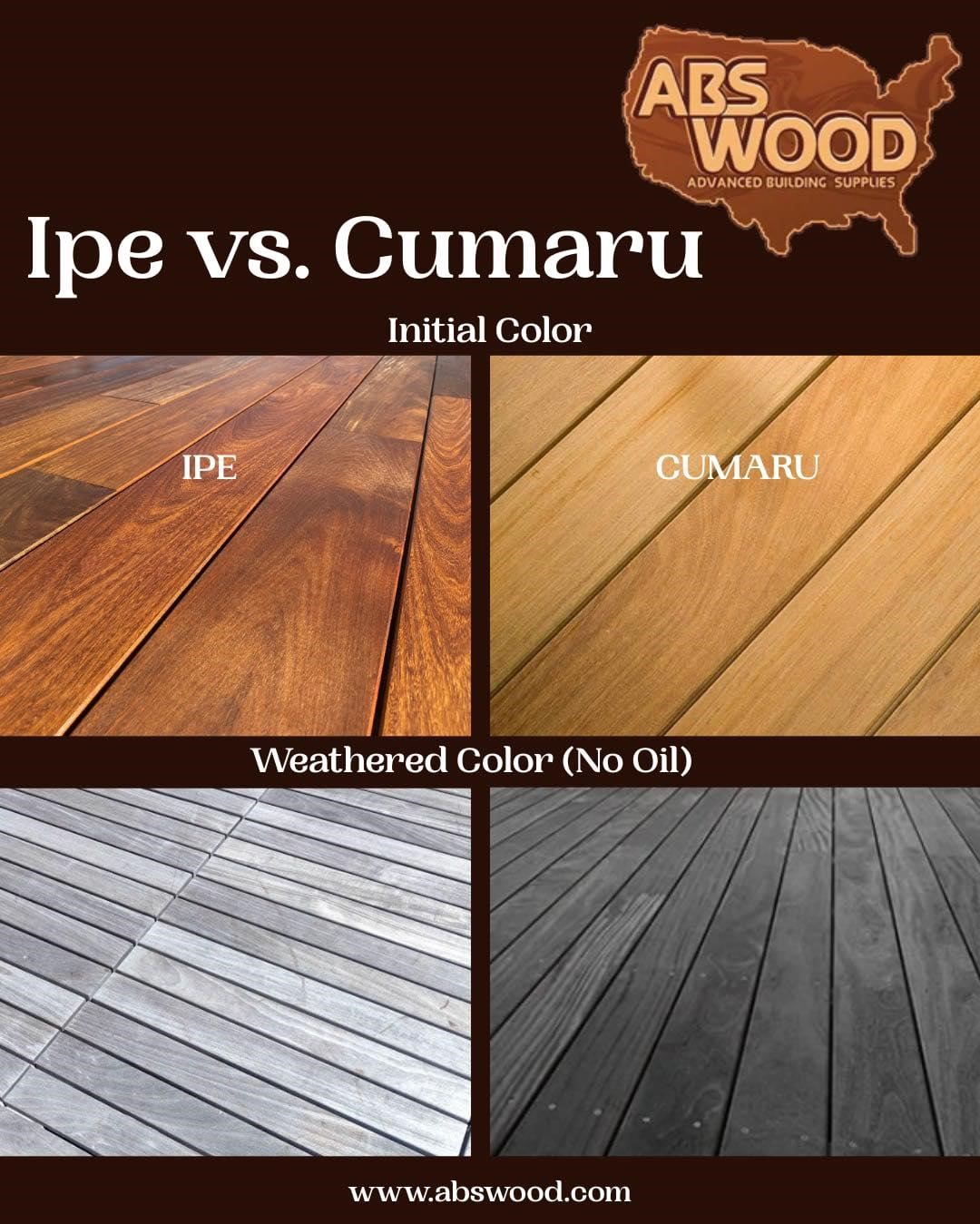
Ipe is prized for its exceptional density and durability, which make it highly resistant to rot, insects, and moisture damage. These qualities allow it to outperform most other hardwoods in outdoor environments. However, while Ipe excels structurally, its color is still affected by ultraviolet exposure. Sunlight gradually breaks down the natural oils on the surface of the wood, which are responsible for its rich brown tones. As those oils oxidize, the surface color fades, eventually developing the silver-gray patina that is commonly associated with weathered hardwood.
Environmental factors accelerate this process. Rain, snow, humidity, and salt air all contribute to surface oxidation, particularly in coastal or high-humidity regions. It’s important to note that this transformation is cosmetic only. The internal structure of the wood remains intact, and the material retains its strength and stability even after years of exposure. In fact, many homeowners appreciate the weathered appearance, finding that it adds a natural, understated character to outdoor spaces.
For those who prefer the original warm tones of freshly installed Ipe, restoration is entirely achievable with proper care. The process begins with thorough cleaning. Over time, dirt, pollen, mildew, and surface residues can accumulate, dulling the wood’s appearance and interfering with any restoration products. Using a mild soap and water solution or a cleaner specifically designed for Ipe helps remove these contaminants without damaging the wood. Gentle scrubbing with a soft brush is usually sufficient, followed by a thorough rinse and adequate drying time.
In cases where the graying is uneven or more pronounced, a wood brightener can be used to help reverse oxidation. These products work by neutralizing surface discoloration and restoring a more uniform tone to the wood. Brighteners should always be chosen carefully, as Ipe requires products formulated specifically for dense tropical hardwoods. When applied correctly, a brightener can significantly improve color consistency and prepare the surface for finishing.
Once the wood is clean and dry, applying a UV-protective oil is the most effective way to restore and preserve Ipe’s natural color. These oils penetrate the dense wood fibers rather than sitting on the surface, enhancing the grain while providing protection from future sun exposure. The result is a refreshed, rich appearance that highlights Ipe’s natural beauty. Depending on environmental conditions and sun exposure, oiling is typically needed every six to twelve months to maintain color consistency.
Ongoing maintenance plays a crucial role in keeping Ipe looking its best. Simple habits such as sweeping away leaves and debris, promptly cleaning spills, and avoiding prolonged standing water can make a noticeable difference over time. Pressure washers should be used cautiously, if at all, as excessive pressure can damage surface fibers and lead to uneven wear. With regular but minimal care, Ipe continues to perform at a high level for decades.
One of the unique advantages of Ipe is the flexibility it offers in appearance. Some homeowners prefer to let the wood age naturally, embracing the silvery-gray patina for its modern, weathered aesthetic. Others choose to maintain the original brown tones through periodic oiling. Neither option affects the performance or lifespan of the wood. Whether you allow it to weather naturally or restore it regularly, Ipe remains one of the most durable and resilient materials available for outdoor use.
Proper care goes beyond appearance alone. While Ipe is naturally resistant to decay, prolonged exposure to sun and moisture can gradually affect the surface texture if left completely untreated. Regular cleaning and occasional oiling help protect the outer fibers, keeping the surface smoother, more uniform, and visually appealing. Considering the long lifespan of Ipe, even minimal maintenance yields significant long-term benefits.
Working with a knowledgeable supplier can simplify the restoration and maintenance process. Choosing the right cleaners, brighteners, and oils ensures compatibility with Ipe’s density and natural oils. At ABSWood, we provide guidance on maintaining and restoring Ipe wood, helping homeowners protect their investment with confidence. We also offer premium, responsibly sourced Ipe products to ensure both performance and sustainability.
Color changes in Ipe wood are a natural part of its aging process, not a sign of failure or deterioration. Whether you choose to enjoy the silver-gray patina or restore the original warm tones, Ipe continues to deliver unmatched durability, stability, and beauty. With thoughtful care and the right products, your deck, patio, or outdoor furniture can remain a striking feature of your home for decades to come.
If your Ipe wood has begun to fade and you’re considering restoration, ABSWood can help you choose the right approach and products for your space. With proper maintenance, Ipe doesn’t just endure—it continues to age gracefully, adding long-lasting value to your outdoor environment.
