





Why Does Ipe Wood Turn Grey and How to Restore Its Natural Colour
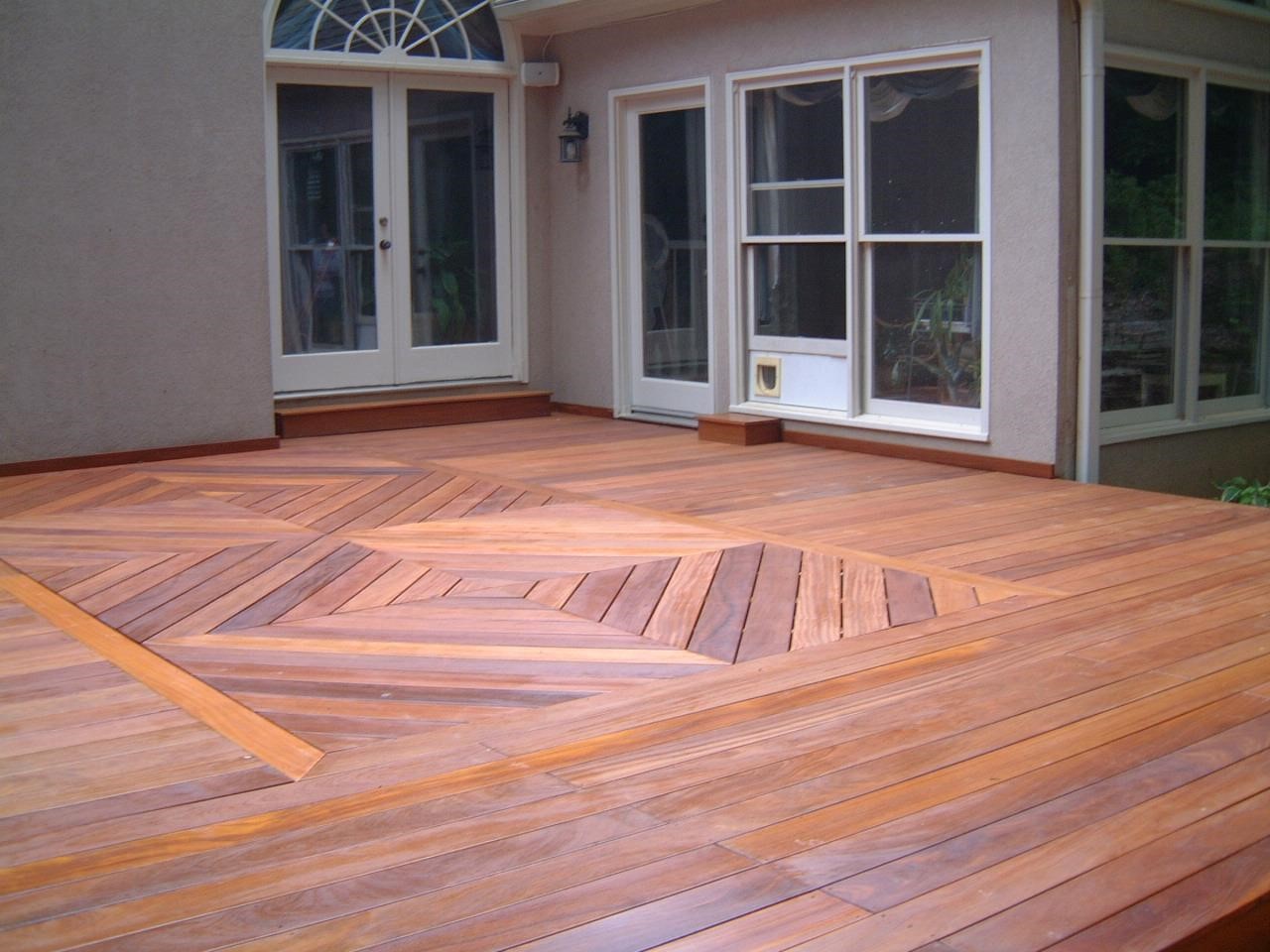
If you’ve invested in an Ipe wood deck, you already understand what makes it so special. Ipe is one of the hardest and most durable hardwoods in the world, known for its rich reddish-brown tones and impressive lifespan. For East Coast homes that deal with changing seasons, humid summers, and salty coastal air, it’s an ideal decking material that can handle just about anything nature throws at it. Ipe decks and docks resists dents, scratches, and surface wear from daily use.
Over time, however, many homeowners notice a change in appearance. That deep, warm color slowly softens and fades, eventually taking on a silvery grey tone. While this can be surprising if you’re not expecting it, it’s actually a completely natural process. Every Ipe deck will weather this way if left untreated, and the good news is that the original color isn’t gone for good. With proper care, you can restore the wood’s natural beauty and keep it looking vibrant for years to come.
The greying of Ipe wood isn’t a sign of damage or decay. It’s the result of oxidation, a natural reaction that occurs when the wood’s surface oils are exposed to sunlight. Ultraviolet rays gradually break down those oils, causing the surface color to fade. Moisture speeds up this process, which is why decks on the East Coast often grey faster than those in drier climates. Rain, humidity, and salt air all contribute to the weathered look. Ipe is a living material that evolves beautifully with time
What’s important to understand is that this change only affects the surface of the wood. Beneath that grey patina, Ipe remains just as strong, dense, and durable as the day it was installed. Its structural integrity doesn’t diminish at all—it’s purely a cosmetic transformation. The purchase of an Ipe deck provides Peace of Mind.
How quickly Ipe turns grey depends largely on sun exposure and environmental conditions. Decks that receive full, direct sunlight often begin to fade within a few months, while shaded or covered areas may retain their color for a year or longer. A south-facing deck in a humid coastal area will weather faster than one tucked under a porch roof. Some homeowners actually love the soft, silvered appearance and embrace it for its coastal charm. Others prefer the rich chocolate-brown look of freshly installed Ipe and choose to restore it.
Deciding whether to restore the color comes down to personal preference, but restoration does more than improve appearance. Properly cleaning, brightening, and oiling an Ipe deck also helps protect it from moisture and UV exposure. That extra layer of protection can extend the life of the deck and keep it looking its best. If you love the warm, luxurious look of natural Ipe, maintaining the color is well worth the effort.
Restoring an Ipe deck is a straightforward process that doesn’t require specialized tools or professional equipment. It starts with a thorough cleaning to remove dirt, pollen, and debris that accumulate over time. Using a mild deck cleaner or gentle soap and water is usually enough. Harsh chemicals and aggressive pressure washing should be avoided, as they can strip the wood’s natural oils and roughen the surface. If mildew is present, an oxygen-based cleaner is a safe and effective option.
Once the deck is clean, a wood brightener can be used to reverse oxidation and revive the wood’s natural tones. This step helps bring back the warmth in the grain and prepares the surface to absorb oil evenly. After brightening, the deck should be rinsed thoroughly and allowed to dry completely.
In some cases, light sanding may be helpful, especially if the color looks uneven or patchy. A quick pass with fine-grit sandpaper, always following the grain, can smooth out the surface and create a more uniform appearance.
The final and most important step is applying a UV-protective oil or sealer designed specifically for dense tropical hardwoods like Ipe. Penetrating oils soak into the wood, enhancing its natural color while providing protection from sun and moisture. Unlike surface coatings, these oils won’t peel or flake over time. Applying the oil evenly and wiping away any excess ensures a clean, natural finish.
Ongoing maintenance is key to keeping your deck looking its best. On the East Coast, cleaning and reapplying oil once or twice a year is usually enough, especially after harsh winters or particularly wet summers. Regular care helps slow the greying process and keeps the wood protected year-round.
Choosing the right products makes a noticeable difference. Ipe is extremely dense, and generic deck products often don’t penetrate properly. Cleaners, brighteners, and oils made specifically for tropical hardwoods work more effectively and provide longer-lasting results. Many homeowners also opt for eco-friendly products, which are a great choice for homes with pets, children, or nearby landscaping.
While it’s impossible to stop Ipe from weathering forever, a few simple habits can significantly slow the process. Keeping the deck clean prevents moisture from being trapped on the surface. Annual or semi-annual oiling protects against UV damage, and avoiding high-pressure washing helps preserve the wood’s natural grain. If your deck gets intense sunlight, shade structures like pergolas or umbrellas can reduce exposure, while furniture pads help prevent scratches that dull the surface.
Seeing your Ipe deck turn grey can be unexpected, but it’s simply part of owning a natural hardwood deck. You can choose to embrace the silvery patina for a relaxed, coastal look, or you can restore the deep, rich tones that made you fall in love with Ipe in the first place. Either way, the wood itself remains incredibly strong and long-lasting.
At ABSWood, we help East Coast homeowners make the most of their decks by choosing the right materials and maintenance products. Whether you’re caring for an existing Ipe deck or planning a new project, we’re here to help every step of the way. With the right care, your Ipe deck won’t just endure—it will remain beautiful for decades to come. You’re not buying boards — you’re buying guidance from hardwood specialists.
